


I have through my quite limited research into the frequency of Earth threatening objects come to conclude that the estimates of Dr. Morrison and scientists like him have greatly underestimated the threat to our planet. Wouldn't it be satisfying for Dr. Napier's views to finally be accepted as at least possible? The frightening aspect of this is that as Dr. Han Kloosterman indicates Earth must then be regarded as being subject to a much greater impact threat than is commonly believed by the majority of scientists.
NASA mentions dark and dead comets for the first time: WISE looking for them
2 archived comments · Oldest first
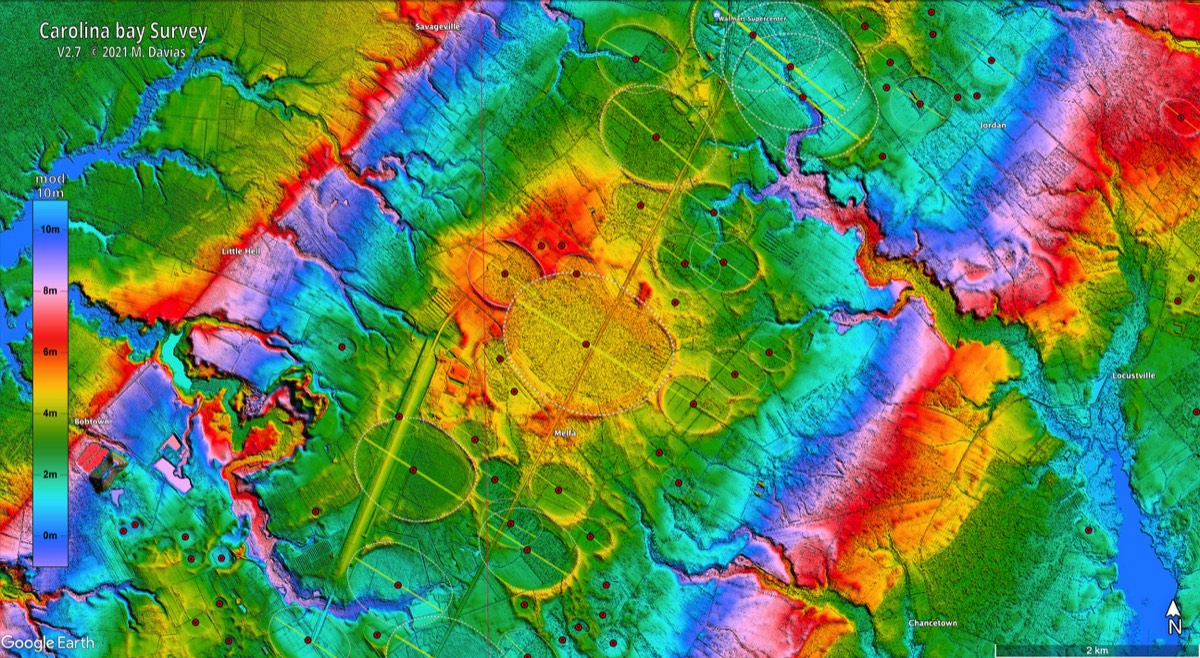
Visit the article and join the conversation →The data I gathered for my book "Man and Impact in the Americas" indicates that at least Clube and Napier's recent Comet Encke fragment impact model is correct. Further, as near as I could determine, NASA'a impact estimates have been off by nearly an order of magnitude, both for smaller and larger impacts. From what I could make out, the root of this lies with Dr. Morrison's early adoption of and promotion of Muller's Nemesis Hypothesis, that a nearby dark body has been injecting asteroids, and I believe that part of WISE's primary mission was to search for that hypothesized body. Morrison has claimed that the geological data from the Apollo Moon missions supports the asteroid only impact model, but the Moon is part of a two body system, the Earth and the Moon. As a consequence, in an amazing bit of circular reasoning, NASA simply takes estimates of the asteroid population and infers impact rates. They then use these dates to date other planetary surfaces. Periodicity shown in Mars strata is not accounted for.