Pro Younger Dryas Impact Papers
Retraction Over Nuisance Disputes
Two Younger Dryas boundary papers were recently retracted by PLOS ONE. Within hours, critics began circulating the notices as though they represented the long-awaited collapse of the impact hypothesis. They do not. Let’s look plainly...
Two Younger Dryas boundary papers were recently retracted by PLOS ONE. Within hours, critics began circulating the notices as though they represented the long-awaited collapse of the impact hypothesis.
They do not.
Let’s look plainly at what the complaints actually were.
In the shocked quartz paper, editors cited concerns about the age model — specifically, whether certain radiocarbon dates were selectively included and whether the chronological framework was tight enough to securely anchor the quartz grains to the 12.8 ka boundary. They also questioned whether variations in sedimentation rate might account for apparent spikes in impact proxies.
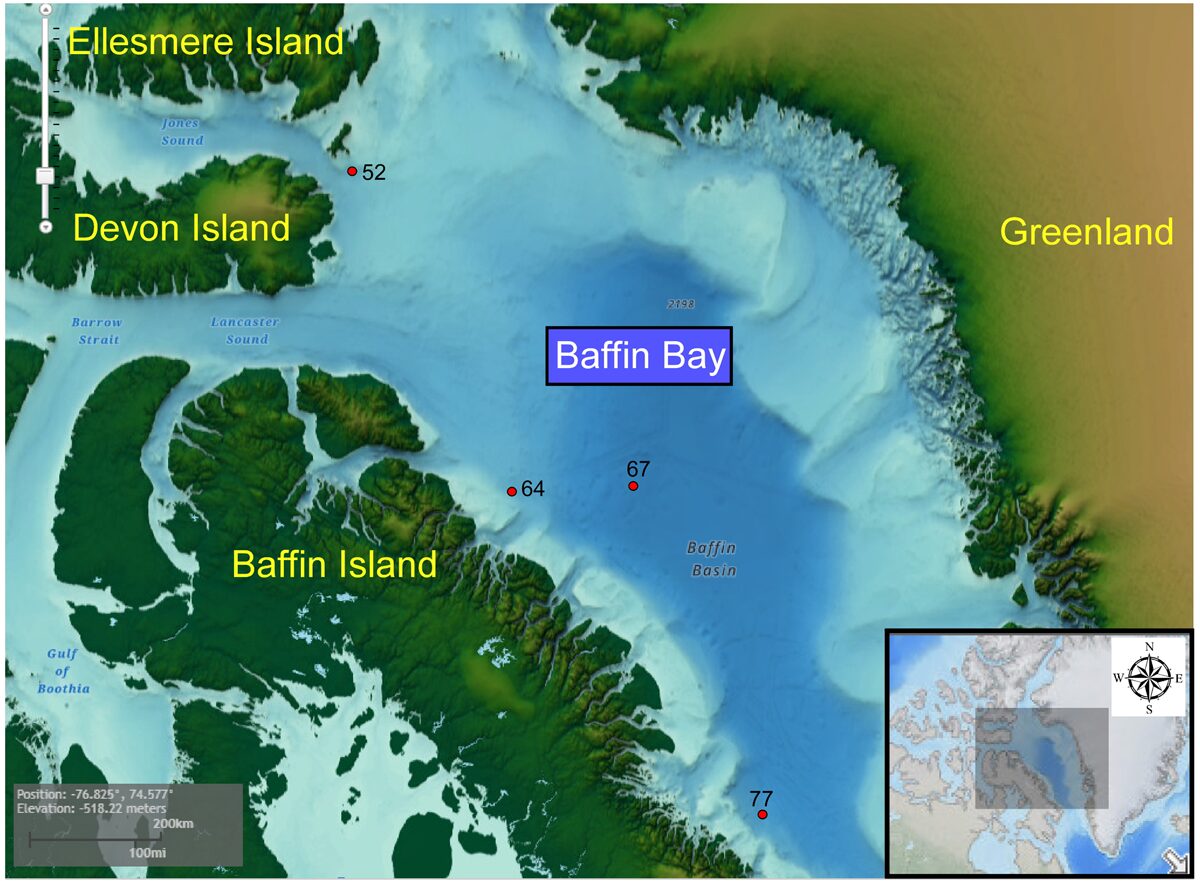
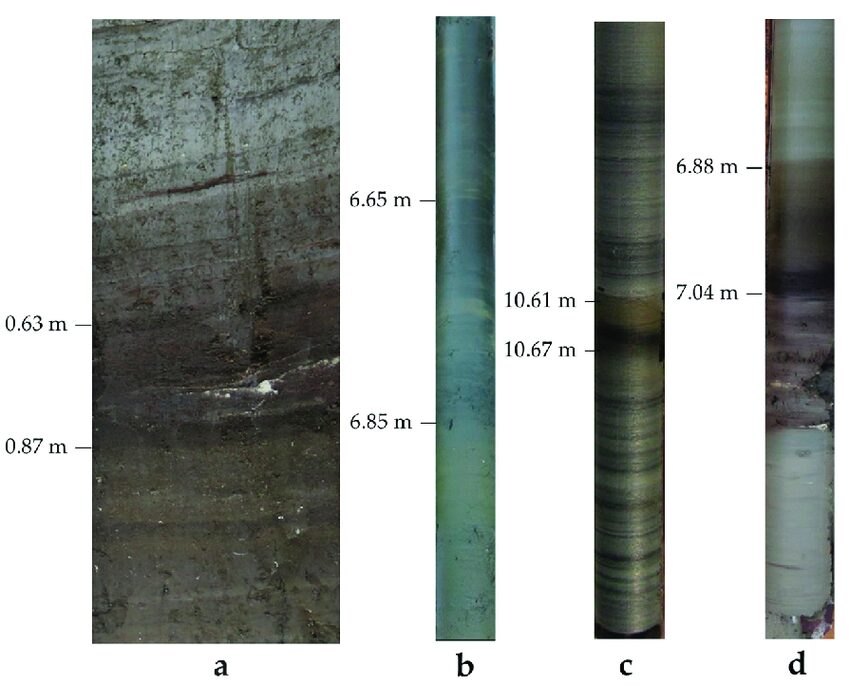
In the Baffin Bay core paper, editors pointed to concerns about stratigraphic interpretation, sampling resolution, and whether the data — microspherules, platinum anomalies, and related materials — were sufficient to support the broader conclusions drawn about cometary input.
Notice what is absent from those summaries.
There were no findings of fabricated data.
No allegations of analytical fraud.
No claim that laboratory instruments malfunctioned.
No demonstration that the reported grains, particles, or chemical concentrations simply do not exist.
Instead, the objections are interpretive and procedural: Was the age model constructed tightly enough? Were all radiocarbon dates treated consistently? Could sedimentation changes mimic a spike? Was the inferential leap too ambitious?
These are not trivial questions. But they are also the daily bread of Quaternary geology.
Stratigraphic refinement. Sampling density. Chronological calibration. Debates about whether data justify a particular causal mechanism. These are exactly the sorts of disputes that normally generate technical comments, replies, and follow-up studies. They are, frankly, the nuisance layer of scientific disagreement — the grinding, incremental arguments over calibration curves and depositional context that attend any controversial claim.
They are not evidence that shocked quartz cannot form.
They are not evidence that platinum anomalies are imaginary.
They are not evidence that microspherules are mismeasured.
They are disagreements over framing and confidence.
And yet, in this case, those nuisance disputes were elevated to full retraction.
That escalation deserves scrutiny.
The Younger Dryas impact hypothesis has been controversial since its introduction in 2007. It challenges established narratives about late Pleistocene extinction and abrupt climate change. It carries implications for how we think about catastrophic processes in human prehistory. As such, it has attracted both legitimate skepticism and, at times, reflexive resistance.
But scientific claims rise or fall on cumulative replication, not on whether one editorial board finds an age model insufficiently persuasive.
If the radiocarbon framework needs tightening, tighten it.
If sampling density needs expansion, expand it.
If sedimentation rates complicate interpretation, model them more rigorously.
Those are corrective measures. They are not demolitions.
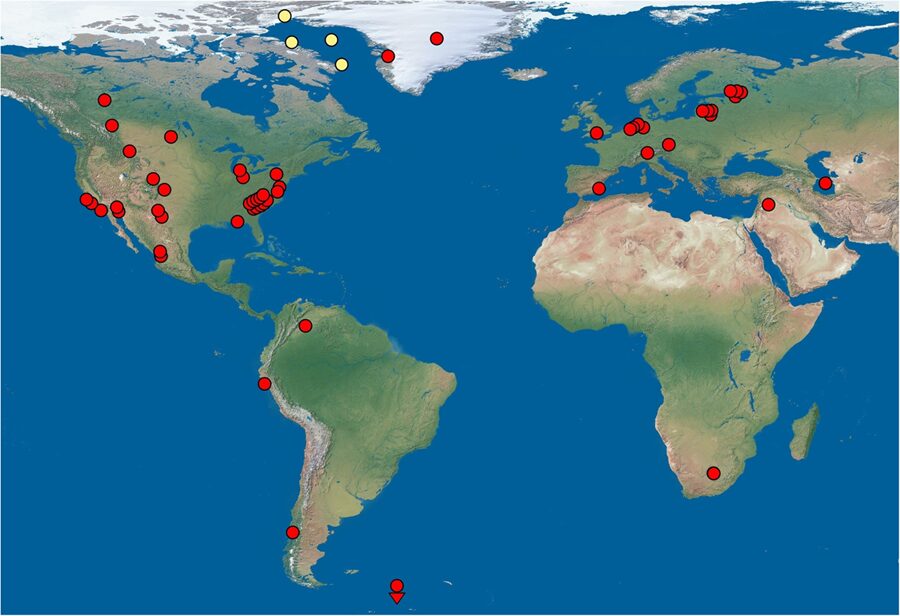
It is also worth remembering that the broader body of Younger Dryas boundary research does not stand on these two papers alone. Platinum anomalies have been reported at multiple sites. Microspherules have been described across continents. Abrupt climatic reversal at ~12.8 ka is not in dispute. Nor is the reality of airburst physics in Earth’s atmosphere. The debate is about mechanism, magnitude, and causal linkage.
That debate remains open.
What these retractions represent is not the refutation of a hypothesis, but the elevation of methodological nuisance arguments into a decisive editorial act. Whether that escalation was warranted will itself become part of the scientific record.
Science advances through correction, replication, and disciplined disagreement. It does not advance through victory laps over procedural objections.
If the impact hypothesis is wrong, it will be undone by better data. If it is right — or partially right — it will survive this episode as it has survived many others.
Retraction is an editorial tool. It is not a geological process.
The rocks remain.