

Kerr Watch

Number of days writer Richard Kerr has failed to inform his Science readers of the confirmation of nanodiamonds at the YDB: 2 years, 4 months, and 29 days

Cosmic Tusk Document Vault


CT Post Calendar

May 2013
M T W T F S S
« Apr    
 12345
6789101112
13141516171819
20212223242526
2728293031  

The Cosmic Tusk Newsletter

Loading...Loading...


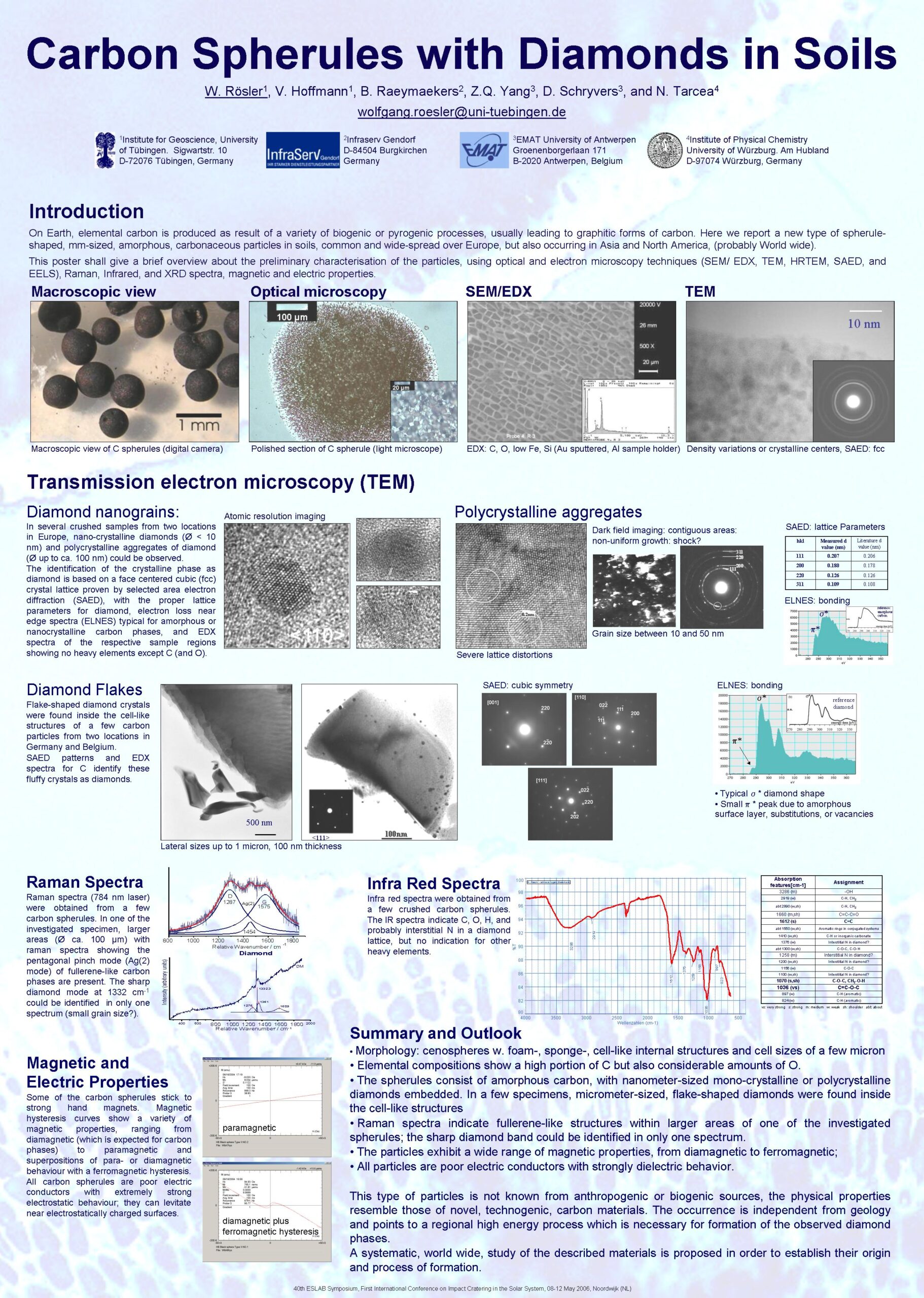
German researchers have found those same pesky nanodiamond encrusted Carbon Spherules

Sometimes it seems the YDB team is treated as though they are the only researchers who are finding these interesting little orbs.  I don’t know if that is because the critics are ignorant of the other research, or just giving things a spin.  Fact is, more than one group unrelated to and certainly not in collaboration with the YDB folks are finding the same things.  Note the German gentlemens’ findings in the poster below, as well as the previously noted poster from the indomitable leader of Team France Marie Courty.  If you have additional examples please drop The Tusk a note.

2 comments to German researchers have found those same pesky nanodiamond encrusted Carbon Spherules

  • I finally got to see the very limited coverage of the AGU conference by the journal Science. This consisted of a paragraph of what Richard A. Kerr calls “Snapshots from the Meeting” Here he reports though extremely briefly that yes nanodiamonds have been detected in Belgium (as found by the group of twenty plus in the U.S.), but that this si not really unusual in that the modern day soils of Belgium and Germany for that matter are present also. Well if this is all that Richard Kerr was able to report for the journal Science then heaven help us all. Why is it that the plausible theory of cosmic impact is given so little credence by mainstream scientists? I continue to be sorely disappointed in this dogmatic attitude, rivaling the religious fundamentalists in their extremely narrow introspective ways.

  • [...] Recall as well that the subject black stripe was also discovered to be diamondiferous by Tian, Claeys and Schryvers in their dissonantly titled 2010 paper in PNAS, “Nanodiamonds do not provide unique evidence for Younger Dryas Impact.” Covered here in the Tusk. And previously found by Schryvers, et. al. in at least two European locations.  Covered  here. [...]

Leave a Reply


You can use these HTML tags

<a href="" title=""> <abbr title=""> <acronym title=""> <b> <blockquote cite=""> <cite> <code> <del datetime=""> <em> <i> <q cite=""> <strike> <strong>